Tag: general-practice

  • Going Back

    Going Back

    This week I did something I hadn’t done for almost a year.

    I went back into the NHS to do two locum sessions.

    It was also the first time in more than fourteen years that I had consulted in a practice where I wasn’t the owner or a partner, with at least some degree of control over how my day ran.

    I’ll admit, I was nervous.

    Would I still be able to do it? Would I remember different computer systems? Would I keep up with the pace after spending the last year building Trinity Medical GP Clinic and, before that, taking time away from work to recover from one of the hardest periods of my life?

    As it turned out, I needn’t have worried.

    I could still do the job.

    But it came as a shock to the system.

    Perhaps what struck me most was how different it feels when every patient is a stranger.

    For most of my career, I usually knew something about the person before they even walked into my consulting room. I knew their family, their background, what had happened to them over the years or simply how they coped with life. All of that quietly shaped the consultation before a word had even been spoken.

    This time I knew almost nothing.

    I arrived early each morning so I could read through the notes of the patients I was about to see. It gave me a little context, but only a snapshot. By the time they sat down in front of me, I was still meeting most of them for the very first time.

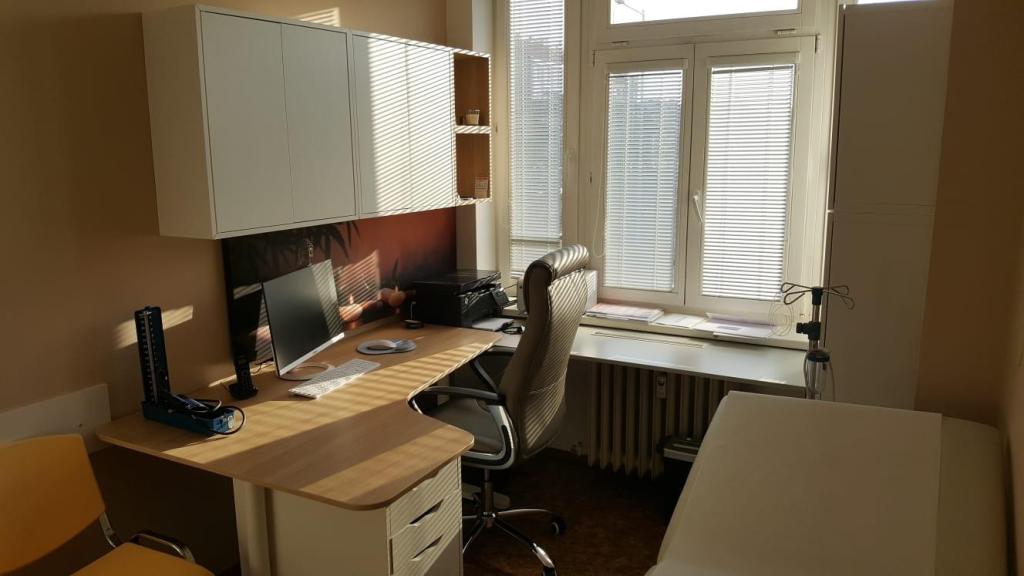
    On my first session I arrived almost an hour early, only to discover I couldn’t get into the consulting room until ten minutes before I was due to start. It was a reminder that, as a locum, you fit into someone else’s system.

    Then the clinic began.

    Twenty-one patients in four hours.

    On paper there were three administrative slots, but realistically there wasn’t much opportunity to catch up. There was no protected time at the end of the session and no flexibility if one consultation needed longer than another.

    One patient came in in the middle of what I can only describe as an emotional meltdown. The next had an insect bite.

    Both appointments were exactly the same length.

    Illness doesn’t arrive in standard-sized packages.

    Some problems can be dealt with quickly. Others need time simply to allow someone to tell their story before you’ve even begun to think about diagnosis or treatment.

    As the morning went on, I found myself understanding something I hadn’t fully appreciated before.

    Patients often become frustrated when they’re asked to book another appointment for a second problem. I completely understand why. When you’re worried, it can feel as though the doctor doesn’t want to help.

    But sitting in the locum chair, I could also see the other side.

    A locum is paid for a fixed number of hours and is often booked to capacity because practices understandably need value from an expensive resource. If every consultation overruns, there isn’t another hour waiting at the end of the clinic. Those extra minutes have to come from somewhere, and more often than not they come from the doctor’s own time.

    I didn’t adopt a one-problem-per-appointment approach, but I completely understood why some doctors do. It isn’t because they care less. It’s because they’re trying to work safely within the time they’re given.

    What those two sessions also reminded me was just how much difference it makes when you know your patients.

    For most of my career I wasn’t simply looking at a list of names. I knew the stories behind them.

    If I knew someone had been struggling with anxiety for months, or that life had become particularly difficult, I also knew that ten minutes was never going to be enough. I’d quietly move them to the end of surgery and give them half an hour instead. Equally, there were patients I knew well enough to say, “Let’s deal with the important thing today and I’ll see you again tomorrow.”

    That wasn’t because I had a better appointment system.

    It was because I knew the people sitting in front of me.

    Continuity changes the way you practise medicine. You aren’t starting from the beginning every time. You already know the family dynamics, the previous conversations, the illnesses that never quite made it into the notes and the worries that sit just beneath the surface.

    That kind of knowledge is built over years.

    It can’t be handed over in a set of medical records.

    When I needed locum cover in my own practice, I always tried to remember what it felt like to be on the other side.

    I deliberately gave many of my locums fifteen-minute appointments and built administrative time into their sessions. I wanted the patients they saw to be dealt with properly, rather than simply being told to come back and see me.

    Locums are expensive, but I wanted them to add value, so I tried to treat them well.

    I was fortunate. I found a small number of excellent doctors who practised medicine in much the same way I did. They listened, they thought and, wherever possible, they solved the problem there and then because they had time to do it. As a single handed GP this was invaluable.

    The sessions I worked last week were very different.

    I was mainly seeing acute presentations, helping to provide capacity for an already overstretched service. I wasn’t there to provide continuity. I was there to make sure people could be seen.

    That isn’t a criticism.

    It’s simply the reality of where general practice often finds itself today.

    What fascinated me, though, was how quickly I found myself adapting.

    By the second session I noticed I was consulting differently.

    Not deliberately.

    Almost without realising it.

    I was more conscious of the clock. I caught myself wondering how many patients were still waiting outside. I could feel the pressure building every time one consultation overran into the next.

    I ran to time in the most part, I was more strict of what I could deal with and what I couldn’t and I managed to have a drink and go to the loo unlike the first session.

    Yet the inevitable door-handle consultation still happened. Just as one patient was leaving, another important concern emerged—something that simply couldn’t wait until another day.

    It made me realise something I hadn’t expected.

    The way we practise medicine isn’t determined solely by our knowledge or experience. It is shaped, day after day, by the environment we work in.

    Several patients told me they were tired of seeing a different doctor every time they came to the surgery.

    More than one said, “It’s nice to actually talk to someone.”

    Others thanked me for taking my time.

    I smiled, although inside I felt rather sad, because continuity has always been one of the greatest strengths of general practice. It allows you to know far more than what’s written in the notes. It allows trust to develop over time, and that changes every consultation. It allows you to know far more than what’s written in the notes. You already know the family dynamics, the illnesses that never quite made it into the records and the worries that sit just beneath the surface. You aren’t starting from the beginning every time.

    One other thing struck me too.

    Many practices now rely heavily on locum doctors. Some have regular locums who become familiar faces, while others understandably use whoever is available to help keep the service running.

    Before each session I’d already been sent my log-in details, so technically I had everything I needed. When I arrived, I was simply told which consulting room I would be using, opened my computer and got on with the job.

    The staff were lovely whenever I needed help.

    But everyone was busy. There wasn’t really time to get to know anyone. As a locum, you arrive, do your clinic and then you leave again.

    It can feel surprisingly isolating.

    As I made my way home afterwards, I realised I could understand why some doctors inevitably become a little detached from the practices they work in. Every day may be in a different building, with a different computer system, different patients, a different consulting room and a different team. Just as you’re beginning to find your feet, it’s time to move on again.

    You’re there to do your job well.

    Then you disappear.

    That isn’t a criticism of practices or of locums.

    It’s simply the nature of the role.

    More than anything, those two sessions left me with enormous respect for doctors who do this week after week. Many are highly experienced clinicians, yet with fewer salaried posts and partnership opportunities than there once were, locum work has become the only realistic option for many. They adapt, they keep services running and they care for patients, often in circumstances that are far from easy.

    By the end of the sessions, I was genuinely shattered. My brain felt frazzled.

    It wasn’t simply the number of patients I had seen. It was the constant switching between problems, the mental effort of making safe decisions about people I’d never met before and the relentless awareness of the clock.

    It reminded me just how mentally demanding this type of work in general practice really is. You don’t simply see twenty-one patients. You make hundreds of decisions in the space of a few hours for people you don’t know and may never see again.

    The truth is, I didn’t particularly enjoy those two sessions.

    I got through them.

    I stayed behind until nearly half past seven the first time to finish the work properly and then logged on again from home to make sure every patient I had seen had been safely dealt with before finally switching off.

    I’ll do the sessions I’ve already committed to because, like many people starting a new business, the additional income is useful while Trinity continues to grow. But I can’t honestly say I’m looking forward to them.

    Then Friday arrived. I spent the whole day at Trinity. It was busy, but it was a different kind of busy. I saw patients, took 40 minutes per appointment, took blood, carried out ear microsuction, dealt with paperwork, cleared the decks for Monday and drove home feeling energised rather than drained.

    That contrast wasn’t lost on me.

    After the day ended, I walked our dog and though about the last night I ever did an on-call shift. Driving home the following morning, I remember thinking,

    “Whatever happens from this point on, I will never do another one. Not for all the money in the world”

    And I meant it. It was simply the feeling that one chapter of my life had come to its natural end.

    Leaving NHS general practice as my career has felt remarkably similar. Yes, I’m doing a few locum sessions. But they’re my choice. If I don’t want to book another one, I simply won’t. The extra income is welcome while Trinity grows, but that’s all it is.

    For perhaps the first time in my professional life, I’m working because I want to, not because I have to.

    That feels like an extraordinary privilege.

    Those two sessions reminded me that I can still do the job.

    But perhaps more importantly, they reminded me why I chose a different path.

    I have enormous respect for colleagues who continue to work in the NHS—as partners, salaried doctors and locums. Every day they care for patients under immense pressure, often with far less time and flexibility than they would choose.

    As for me, I’ve realised something.

    Sometimes you have to go back, not because you want your old life again, but because it helps you appreciate the life you’ve built.

    Sometimes you need to revisit an old chapter to realise you’ve already turned the page.

    After more than thirty years in medicine, I know I haven’t stopped being an NHS GP.

    I’ve simply become a different kind of GP.

    And for the first time in my career, I’m practising medicine in a way that feels completely true to me.

    After everything medicine has given me, that feels like a very good place to be.

    Thank you for reading. If this reflection resonated with you, you might enjoy some of my other posts on Notes from a GP. They explore the lessons medicine has taught me over the past three decades—about health, ageing, prevention and life itself. I hope you’ll stay and explore a little further.

  • Making the Most of Your GP Appointment (and why it matters more than ever)

    Making the Most of Your GP Appointment (and why it matters more than ever)

    When I first became a GP, consultations felt very different.

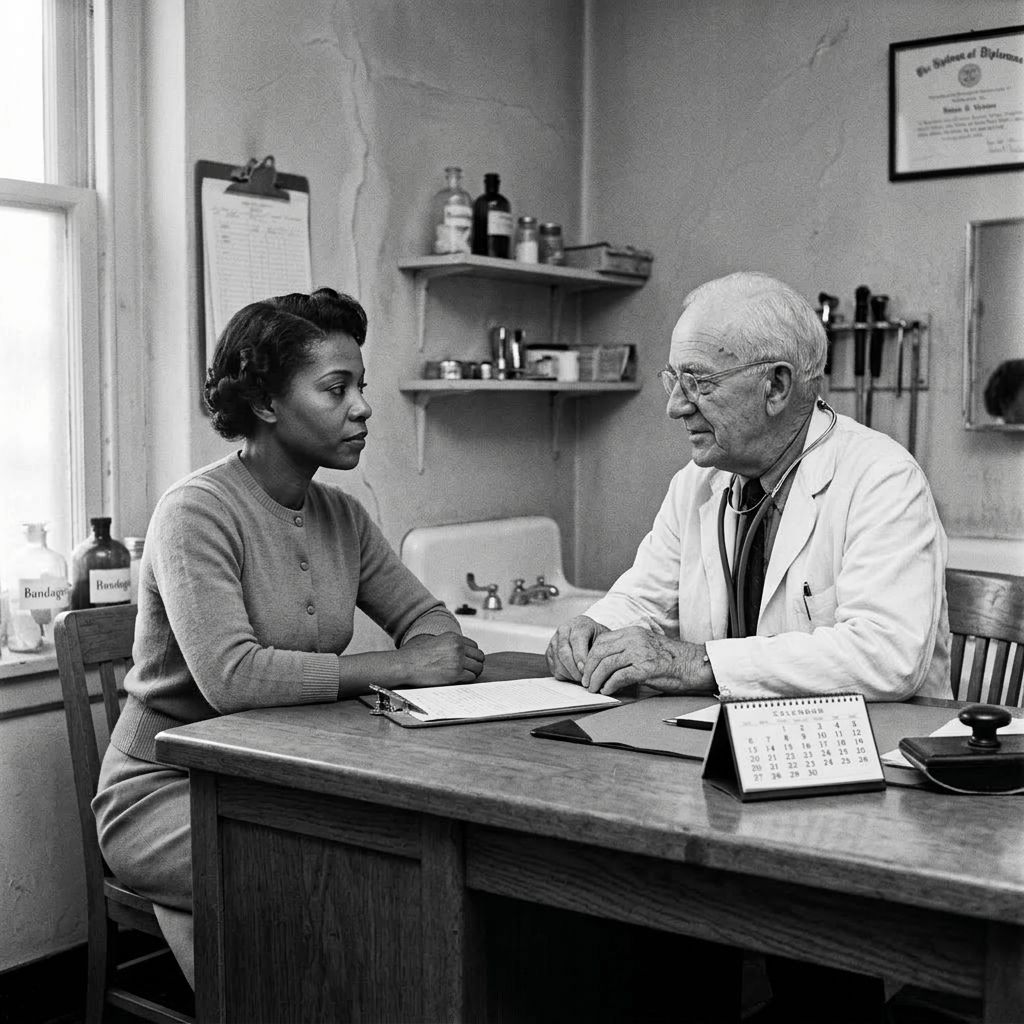
    Patients booked an appointment with their doctor. They arrived, sat down and we talked.

    Often they came with a list.

    Sometimes it was a very long list.

    There might be a sore knee, poor sleep, concerns about an elderly parent, a changing mole, a prescription query and a question about a child’s behaviour all in the same consultation.

    As doctors, we would usually listen to everything first and then decide what was connected, what needed investigating and what could safely wait.

    It wasn’t a perfect system.

    But it was a personal one.

    For many years I worked in a single-handed practice. Every request for an appointment came through me. I knew my patients, their families, their medical histories and often what was happening in their lives long before they entered the consulting room.

    That knowledge mattered.

    If somebody attended with anxiety, I already knew whether this was completely out of character or something we had discussed before.

    If an elderly patient was struggling, I knew who lived nearby and who might be able to help.

    If somebody came with a list of concerns, I could often see how the pieces fitted together before they had even finished speaking.

    Sometimes I would arrange a longer appointment. Sometimes I would ask somebody to come at the end of surgery so neither of us felt rushed. Sometimes I would visit them at home.

    Continuity did not make medicine easier, but it often made it better.

    It allowed relationships to develop and trust to grow over time.

    Over the years, however, general practice has changed enormously.

    Demand has increased. The population is older. People are living longer with multiple medical conditions. General practice is managing more complex care than ever before. 

    At the same time, resources have become increasingly stretched.

    Today many practices use online forms, telephone triage and systems designed to direct patients to the most appropriate clinician. Patients may be offered appointments with pharmacists, physiotherapists, nurses, mental health practitioners and many other skilled healthcare professionals.

    These changes have brought benefits.

    But they have also changed the experience of seeing a GP.

    Appointments are often ten minutes long. Continuity can be difficult to achieve. Many practices operate what is effectively a one-problem-per-appointment approach because there simply is not enough time to do everything.

    Patients are not the only ones who sometimes find this frustrating.

    Doctors do too.

    Many patients miss seeing the same doctor each time, but continuity benefits doctors as well. It is much easier to care for somebody when you know their history, their family circumstances, their personality and how they usually respond when life becomes difficult.

    Increasingly, doctors find themselves consulting with people they have never met before.

    The appointment may be ten minutes long. The list of medical problems may fill several pages of notes. Important information may be buried within years of records.

    Before the patient has even sat down, the doctor may already be trying to review previous consultations, blood results, hospital letters and medication lists.

    Once the consultation begins, they are simultaneously listening, assessing risk, documenting the consultation, arranging investigations, generating prescriptions, completing referral letters and deciding what should happen next.

    Most surgeries run back-to-back with very little time between appointments. The administrative work often continues long after the last patient has left.

    This is not a criticism of individual practices or clinicians.

    It is simply the reality of a system under increasing pressure.

    If I am honest, I often found working in a large practice surprisingly difficult.

    After spending so many years knowing my patients so well, I felt oddly vulnerable making important decisions about people I had never met before.

    I realised how much I relied upon the thing that never appears in a medical record: the relationship.

    One of the highlights of my day was often seeing somebody I recognised from my single-handed practice days. The consultation immediately felt different. There was familiarity, trust and continuity. We were not starting from scratch.

    I realised how much I valued that.

    Perhaps that is one of the reasons I enjoy what I do now.

    Having the time to listen.

    Having the time to explore concerns properly.

    Having the time to understand not only the symptom but the person experiencing it.

    And perhaps most importantly, leaving at the end of a consultation feeling that I have done the best job I can, rather than wondering what more I might have uncovered if there had simply been a little more time.

    The direction of travel within healthcare is increasingly towards larger systems, more sophisticated triage processes and greater use of technology.

    Some of these developments are undoubtedly positive. Better triage can help ensure patients reach the right clinician more quickly. Artificial intelligence will almost certainly improve many aspects of healthcare in the years ahead.

    But there is a risk too.

    The more efficient a system becomes, the easier it is for people to feel as though they are being processed rather than cared for.

    Healthcare is rarely just about symptoms.

    One patient’s skin lesion is not necessarily the same as another’s.

    A photograph of a mole may look identical on a computer screen, but the context may be completely different. One person may simply want reassurance. Another may have just watched their partner go through treatment for melanoma and be carrying weeks of anxiety and fear.

    The technology sees the lesion.

    The conversation reveals the person.

    That is the part of medicine I hope we never lose.

    One of the biggest changes I have witnessed during my career is the increasing complexity of the problems people bring to general practice.

    Many appointments now involve anxiety, low mood, loneliness, caring responsibilities, relationship difficulties, work pressures, financial worries, housing concerns, ADHD assessments and social isolation.

    Often there is no prescription that can solve these problems.

    Sometimes what people need most is somebody to listen, help them make sense of what is happening and guide them towards the right support.

    Modern general practice has become as much about navigating mental health services, social care, community support and voluntary organisations as it is about diagnosing disease.

    The consultation is often the beginning of a journey rather than the end of one.

    Following the Covid pandemic, I also noticed more people becoming concerned about their appearance, their skin and aspects of themselves they had never previously noticed.

    Perhaps it was spending so much time looking at ourselves on screens. Perhaps it was social media and increasingly filtered versions of reality.

    Whatever the reason, people seemed to emerge from the pandemic looking at themselves differently.

    So what does all of this mean for patients?

    It means that most GPs are doing their very best within a system that often feels stretched for both doctors and patients.

    It means that consultations need to achieve more than they once did.

    When I was running my own practice, I often knew the patient before they sat down. I knew their history, their family circumstances and the wider context of their lives. The consultation could start where we left off last time.

    Today, that is often not the case.

    Many consultations begin with both doctor and patient trying to understand each other from scratch.

    The reality is that neither patients nor doctors created this system, but both have to work within it.

    It is also worth remembering that doctors cannot always solve problems immediately.

    Many conditions require time. Some diagnoses only become clear as symptoms evolve. Mental health concerns, ADHD assessments and complex medical problems often need more than one conversation.

    Even when a GP knows exactly what needs to happen next, the process is not always within their control.

    Waiting times for scans, specialist appointments, community services and mental health assessments are often determined by wider NHS pressures rather than the individual doctor.

    This can be frustrating for patients.

    It can be frustrating for doctors too.

    Receptionists are sometimes told, “It will only take the doctor five minutes.” In reality, many problems are more complex than they first appear. What starts as a straightforward consultation can quickly become something requiring careful discussion, examination, safety-netting, referrals or follow-up.

    Most doctors want to give patients the time they need. The challenge is balancing that with a waiting room full of people who also need help.

    The current system is unlikely to disappear any time soon. The wider shift towards larger practices, centralised services and so-called “super surgeries” is probably a discussion for another day.

    Whether we like it or not, this is the system many of us now work within.

    Understanding that reality does not remove the frustrations on either side, but it can sometimes help patients and doctors work together a little more effectively.

    And whilst we cannot always control how long an appointment lasts, there are things that can help make the most of the time available.

    Making the Most of Your GP Appointment

    1. Help Your Doctor Understand the Bigger Picture

    Symptoms rarely exist in isolation.

    Tell your doctor what has been happening in your life, what has changed and what concerns you most.

    The symptom is important.

    The context is often just as, if not more, important.

    2. Mention All Your Concerns Early

    Many patients save the issue that is worrying them most until the final moments of the consultation.

    Most GPs recognise what is sometimes called the “door handle consultation.”

    The plan has been agreed. The appointment is ending.

    Then comes:

    “Actually doctor, before I go…”

    What follows is often the real reason they booked the appointment.

    Sometimes it is chest pain.

    Sometimes it is anxiety.

    Sometimes it is a breast lump or a symptom they have been worrying about for months.

    I always tried to ask patients whether there was anything else they wanted to discuss before we finished. Over the years I learned that many people use the first part of the consultation to decide whether they feel comfortable enough to talk about what is really concerning them.

    Trust takes time.

    People need to feel heard before they feel safe enough to be vulnerable.

    Whenever possible, try to mention your main concerns early in the consultation.

    3. Write Things Down

    Symptoms have a habit of disappearing from memory the moment we sit down in the consulting room.

    A few notes on your phone or a piece of paper can be invaluable.

    This is particularly helpful for people attending with anxiety, ADHD concerns, multiple symptoms or problems that have been present for some time.

    4. Tell Your Doctor What Worries You

    Sometimes somebody will spend ten minutes discussing symptoms before finally saying:

    “What I’m really worried about is that it might be cancer.”

    Or:

    “I’m worried I have ADHD.”

    Or simply:

    “I’m struggling to cope.”

    Knowing what is worrying you helps your doctor address those concerns directly.

    5. Young People Can Speak to a GP Alone

    Many teenagers are surprised to learn that they can see a GP without a parent being present.

    If you would prefer to speak privately, you can.

    As a GP, I often encouraged young people to write down their concerns beforehand. Some would even hand me a note if they found talking difficult.

    There is no right or wrong way to start the conversation.

    6. Understand That Mental Health Assessments Take Time

    This is particularly relevant when it comes to anxiety, low mood, burnout and ADHD concerns.

    Many people expect an immediate diagnosis or prescription.

    Sometimes that happens.

    Often it doesn’t.

    That does not mean concerns are being dismissed.

    Good medicine often involves taking a step back and understanding the wider picture.

    Sleep, relationships, family circumstances, work pressures, physical health and life events all influence how we think, feel and function.

    Sometimes the consultation is the beginning of a journey rather than the end of one.

    7. Ask Questions

    Never be afraid to ask:

    • What do you think is happening?
    • What happens next?
    • When should I come back?
    • What should I look out for?
    • Is there anything I can do myself?

    You should leave understanding the plan.

    8. Remember That Healthcare Is a Partnership

    The best consultations happen when doctors and patients work together.

    Your doctor brings medical knowledge, training and experience.

    You bring knowledge of your body, your symptoms and your life.

    Neither is complete without the other.

    Medicine has changed enormously since I first qualified.

    Some changes have undoubtedly improved patient care. Others have made it harder to preserve the continuity and relationships that many patients and doctors still value.

    But one thing has not changed.

    The best medicine still begins with a conversation.

    The suggestions above are aimed at patients because that is the side of the consultation most people see.

    Doctors have plenty to learn as well.

    In fact, the list of things that doctors could do better might be long enough for a separate article entirely.

    Perhaps that is a discussion for another day.

    And if there is one thing I learned during more than twenty-five years in general practice, it is this:

    The question you were not going to ask is often the one that matters most.


    I hope these suggestions help you feel a little more confident the next time you need to see a GP.

    You can find more practical health articles elsewhere on the blog, covering prevention, wellbeing and some of the everyday health questions that don’t always fit neatly into a ten-minute appointment.

    Thank you for reading.

  • The symptoms we often ignore ( But shouldn’t)

    The symptoms we often ignore ( But shouldn’t)

    As GPs, we spend much of our time reassuring people. Most symptoms turn out to be harmless, self-limiting, or easily explained.

    Yet occasionally a symptom that seems minor can be the first clue that something more significant is going on.

    One of the most common things I hear in consultations is:

    “I didn’t want to bother anyone.”

    Or:

    “I thought it was just getting older.”

    Most of the time it isn’t something serious. But sometimes the symptoms we dismiss are the very ones we should pay attention to.

    The challenge is knowing the difference.

    Why Do We Ignore Symptoms?

    One of the interesting observations in general practice is that men are often less likely to seek medical advice than women.

    There are many possible reasons for this. Some practical barriers are well recognised, including long waiting times and difficulties accessing appointments around work commitments.

    Many men tell me they do not want to make a fuss. Others worry about wasting the doctor’s time or believe that GP appointments should be reserved for serious problems. Some admit they are concerned about what might be found if they seek help.

    There may also be an element of embarrassment. Certain symptoms, particularly those relating to mental health, urinary problems or erectile dysfunction, can feel difficult to discuss. As the medical workforce has changed and more women have entered general practice, some men may feel less comfortable raising sensitive issues with a female doctor.

    Of course, women can be guilty of exactly the same thing. Many put their own health at the bottom of an already busy list of priorities. Symptoms are often dismissed as stress, ageing, menopause, family life or simply being tired.

    The reality is that doctors are not worried about patients coming in too early.

    We worry when they come in too late.

    Most symptoms will turn out to be nothing serious. But when something persists, changes or simply doesn’t feel right, it is always worth seeking advice.

    Persistent Fatigue

    Feeling tired is one of the most common reasons people seek medical advice. Modern life is busy, many of us are juggling work, family and other commitments, and sleep is often the first thing to suffer.

    But fatigue that is persistent, unexplained or doesn’t improve with rest deserves further assessment.

    Common causes include:

    • Iron deficiency anaemia
    • Vitamin B12 deficiency
    • Thyroid disease
    • Sleep disorders such as sleep apnoea
    • Perimenopause and menopause
    • Chronic stress and low mood

    Fatigue is rarely a diagnosis in itself. It is often a clue that something else may be happening beneath the surface.

    Increased Thirst or Frequent Urination

    Needing to drink significantly more than usual or finding yourself making repeated trips to the toilet can be an early sign of type 2 diabetes.

    The concern is not simply the diagnosis itself, but the complications that can develop before diabetes is recognised. Damage to the eyes, kidneys, nerves and cardiovascular system may already be occurring long before symptoms become obvious.

    These symptoms can have other causes too, but they should never be ignored if they persist.

    Shortness of Breath on Mild Exertion

    Most of us expect to become breathless when exercising vigorously.

    However, if climbing stairs, walking uphill or carrying shopping suddenly becomes more difficult than it used to be, it is worth seeking medical advice.

    Possible causes include:

    • Anaemia
    • Asthma
    • Chronic lung disease
    • Heart rhythm problems
    • High blood pressure-related heart changes
    • Early heart disease or heart failure

    Many people assume breathlessness is simply part of ageing.

    It isn’t.

    Whilst fitness levels naturally change over time, unexplained breathlessness always deserves assessment.

    Unintentional Weight Change

    Our weight naturally fluctuates throughout life.

    However, losing more than 5% of your body weight over six to twelve months without trying to do so should prompt further investigation.

    Possible causes include:

    • Thyroid disease
    • Diabetes
    • Digestive disorders
    • Chronic illness
    • Occasionally, cancer

    Weight gain can also provide important clues.

    In particular, weight gain around the middle is strongly associated with insulin resistance, metabolic syndrome and increased cardiovascular risk.

    The number on the scales matters less than understanding why the change has occurred.

    Easy Bruising or Bleeding

    Most of us occasionally discover a bruise and have no idea how it got there.

    But persistent or unexplained bruising, recurrent nosebleeds, bleeding gums or bleeding that seems excessive for a minor injury should be investigated.

    Possible causes include:

    • Vitamin deficiencies
    • Medication side effects
    • Platelet abnormalities
    • Clotting disorders
    • Less commonly, blood disorders

    While many causes are harmless, they are not symptoms that should simply be ignored.

    Erectile Dysfunction: More Than a Quality of Life Issue

    Many men find erectile dysfunction difficult to discuss, yet it is one of the most common conditions seen in primary care.

    Whilst stress, anxiety and relationship difficulties can all contribute, erectile dysfunction can also be an early sign of underlying vascular disease.

    The blood vessels supplying the penis are smaller than those supplying the heart. As a result, problems with blood flow may become apparent here several years before symptoms of cardiovascular disease develop elsewhere.

    In some men, erectile dysfunction can be an early warning sign of:

    • High blood pressure
    • Diabetes
    • High cholesterol
    • Cardiovascular disease

    Although many men view it as an inevitable part of ageing, it should always be considered an opportunity to assess overall health.

    Changes in Bladder or Bowel Habits

    Many people feel embarrassed discussing bladder or bowel symptoms, but they can provide important clues about underlying health.

    For men, a weaker urinary stream, difficulty emptying the bladder completely, or frequent trips to the toilet at night may simply reflect an enlarged prostate. However, these symptoms can also be associated with infection, diabetes or other medical conditions.

    Changes in bowel habit that persist for several weeks should also be assessed.

    One symptom that always warrants prompt medical attention is blood in the urine or stool.

    In many cases the cause is straightforward and treatable. However, blood can also be an early warning sign of more serious conditions affecting the bladder, kidneys or bowel.

    Most causes will not be serious, but these are not symptoms that should be dismissed or simply attributed to ageing.

    Changes in Mood, Motivation or Personality

    When we think about depression, we often think about sadness.

    But mental health difficulties do not always present that way, particularly in men.

    Sometimes the first signs are:

    • Irritability
    • Anger
    • Withdrawal from family and friends
    • Loss of motivation
    • Loss of enjoyment in activities that were once pleasurable
    • Feeling flat or disconnected

    Many men struggle in silence because these symptoms do not fit their idea of what depression looks like.

    Physical health can also play a role. Hormonal changes, thyroid disease, sleep disorders, chronic stress and other medical conditions can all affect mood, energy and motivation.

    Family members are often the first to notice that someone “just isn’t themselves.”

    Mental health deserves the same attention as physical health.

    The Importance of Paying Attention

    One of the challenges in medicine is that serious conditions often begin with very ordinary symptoms. Fatigue. Breathlessness. Changes in weight. Increased thirst. Changes in mood.

    Symptoms that are easy to explain away.

    That does not mean every symptom represents something serious. Far from it.

    But it does mean that persistent symptoms deserve attention.

    As doctors, we are rarely concerned about a symptom that appears briefly and disappears. We become more interested when symptoms persist, progress or begin affecting day-to-day life.

    Our bodies are remarkably good at signalling when something has changed.

    The challenge is listening.

    If something doesn’t feel right, trust your instincts. Speak to a healthcare professional and seek advice.

    Most of the time you will be reassured.

    Occasionally, that conversation may make all the difference.

    Thank you for reading.

    Prevention begins with awareness. The sooner we recognise changes in our health, the more opportunity we have to take action.

    For more evidence-based health information and practical advice, explore the Practical Health section of the blog.