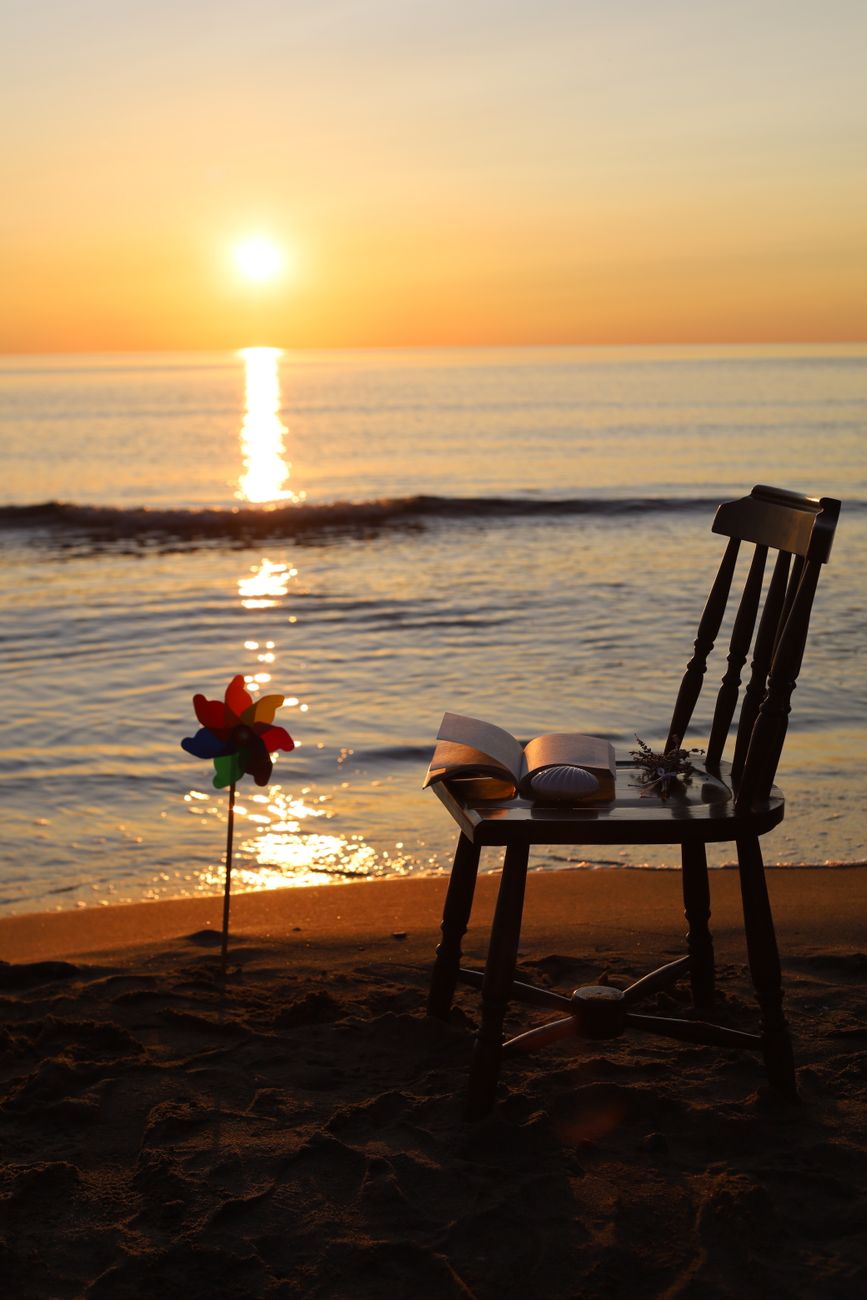
“I would never have chosen the events that brought me here. But they shaped not only the doctor I am, but the person I have become.”
A Different Way of Practising Medicine
For many years, I worked as a single-handed GP, supported by a small and dedicated team. Together, we cared for around 4,000 patients and built something that felt personal in an increasingly impersonal healthcare world.
One of the greatest privileges of working in this way was the opportunity to truly know my patients and their families. I cared for multiple generations, shared in life’s milestones, supported people through illness and loss, and built relationships based on trust and continuity.
Those years taught me that good medicine is about far more than diagnosis and treatment. Clinical expertise matters, but so do listening, reassurance and understanding the wider context of a person’s life.
Patients do not always come to see their doctor because they are seriously ill. Sometimes they come with worries, fears or uncertainties that have been weighing on their minds. Often, what they need most is someone who will listen, take them seriously and help them make sense of what they are experiencing.
Knowing my patients, their families and their stories reinforced my belief that medicine is at its best when it combines clinical expertise with genuine human connection.
I loved working that way and imagined I would continue for many years to come.
When Life Changes Direction
Life, however, had other plans.
The last few years have been some of the most challenging of my life.
In October 2023, my father died at the age of 92. For several years beforehand, I had played a central role in his care. My involvement extended far beyond simply offering support. I was part of every aspect of his care, from personal care and day-to-day practicalities to navigating healthcare decisions, advocating on his behalf and helping him remain at home for as long as possible.
My parents had been married for 65 years.
My father’s death devastated me.
I was incredibly close to both of my parents, particularly my father. Throughout my life, there was rarely a day when I did not see them and, if I couldn’t see them, I would speak to them.
They were a constant presence in my life.
Losing my father left a space that can never truly be filled. At the same time, I was watching my mother navigate life without the man she had shared more than six decades with.
It was heartbreaking for all of us.
Just four weeks later, my father-in-law also passed away.
Whilst our family was still processing those losses, another unexpected challenge arrived. In January 2024, I was informed that I would need to leave the surgery premises from which I had worked for many years, with very little notice.
Despite exploring every possible option to keep the practice going independently, it became increasingly clear that the landscape of primary care had changed. Eventually, I made the difficult decision to join a larger partnership, and the merger took place in July 2024.
Although I understood the practical reasons behind the move, I found the transition challenging. After so many years of working independently, I was adapting to a very different environment.
Caring for Those Who Cared for Me
My caring responsibilities did not end with my father’s death.
My focus then shifted to my mother.
As I had with my father, I became deeply involved in her care, helping her remain at home and supporting her through the final chapter of her life.
At the same time, family life continued. I was supporting three young adult children still living at home, maintaining family life, and trying to meet the needs of everyone around me.
Life did not pause because I was grieving.
There were still meals to cook, responsibilities to manage, people to support and countless practical tasks demanding attention.
In August 2025, my mother died peacefully at home at the age of 93.
Caring for both of my parents through the final years of their lives was one of the most important experiences of my life.
I have no regrets.
My parents gave me everything. Their love, support, guidance and sacrifices helped shape the person I am today. Without them, I would not be who I am.
Being there for them at the end of their lives was never a duty.
It was a privilege.
I am deeply grateful that both of my parents were able to remain at home and die peacefully in familiar surroundings, with the people who loved them around them.
Seeing Things From the Other Side
Throughout my career, I had always tried to practise medicine with an appreciation of what illness, loss and bereavement mean for patients and those who love them.
End-of-life care was an important part of my role. It required compassion, honesty, difficult conversations and a willingness to support families through some of life’s hardest moments.
Caring for my own parents gave me an additional perspective.
For the first time, I was not only the clinician who understood what families were experiencing.
I was the daughter living through it myself.
It reinforced values that had guided me throughout my career: listening, being present, having honest conversations and recognising that some of the most meaningful care we provide has little to do with prescriptions or investigations.
Understanding Burnout
Following my mother’s death, I reached a point where I knew I could not continue as I had before.
For the first time in many years, I made an appointment to see my own GP.
For the first time in my professional career, I took time away from work and was signed off sick.
As a single-handed GP, I simply could not have done that before.
For many years, the responsibility rested with me alone. Patients still needed care, staff still needed support, decisions still needed to be made and the practice still needed to function. Stepping away for an extended period was not something I felt able to do, either professionally or financially.
What began as time away from work became eight months of healing, reflection and processing everything that had happened over the previous few years.
For the first time, I truly understood what burnout meant.
Not simply feeling tired or stressed, but reaching a point where the emotional and physical reserves that had sustained me for so long had finally been exhausted.
Looking back, taking that time was one of the most important decisions I have ever made.
A New Chapter
The months away from work gave me time to think about what I wanted for the future.
For many years, I had carried the responsibilities that come with being a single-handed GP. Alongside the rewards came the knowledge that the responsibility ultimately rested with me.
After everything I had experienced, particularly caring for my own parents through the end of their lives, I began to reflect on whether I wanted to continue carrying that responsibility alone.
One of the reasons I started to consider different options was the realisation that I no longer wanted to be solely responsible for some of the most difficult decisions and situations that family doctors inevitably encounter.
That reflection did not diminish my commitment to patient care. It simply helped me recognise that the way I wanted to practise medicine was evolving.
The experiences of caring, grieving, rebuilding and recovering reinforced my belief that patients need time, continuity, compassion and the opportunity to be truly heard.
Healthcare is not always about fixing people.
Sometimes it is about being present.
Sometimes it is about listening.
Sometimes it is about helping someone feel less alone.
Sometimes it is simply about being there when a patient is worried, uncertain or frightened.
Those moments can be just as important as any diagnosis or treatment plan.
When the time came to decide what I wanted the next stage of my professional life to look like, I became one of the founders of a private practice built around the values that matter most to me.
I wanted to create a service where patients are given time. Where continuity, trust and meaningful relationships remain central to healthcare. Where people feel heard, understood and supported, not simply treated.
But my decision was not based solely on clinical philosophy.
The events of the previous few years had also forced me to think differently about my own future.
Founding a private practice offered an opportunity to build something meaningful and sustainable. It gave me the chance to create a different model of care for patients, whilst also creating something that I hope will give me greater flexibility in the future and allow me to shape the later years of my career in a way that is both fulfilling and sustainable.
After everything that had happened, I realised that looking after my own future was not selfish.
It was necessary.
Looking Back
I would never have chosen the events that brought me here.
But they reminded me why I entered healthcare in the first place.
Today, I bring not only my years of clinical experience to my patients, but also the perspective gained through caring, loss, recovery and rebuilding.
Standing where I am today, I know those experiences have shaped not only the doctor I am, but the person I have become.
Thank you for taking the time to read my story.
Thank you for reading.
You can find more refelctions on medicine, health and life in the Posts section.


Leave a comment